The r/BlueCollarWomen subreddit has about 60,000 members. Spend an hour reading through the posts and you get a pretty clear picture of what the day-to-day experience of running a trade business as a woman actually looks like in 2025.
It’s not what most people would guess.
The physical demands rarely come up. The competence questions are there, but they’re not the main event. What comes up again and again is something more mundane: the constant low-level friction around being taken seriously - especially over the phone and in the first few seconds on a job - and the ways people have learned to navigate it.
The Phone Problem
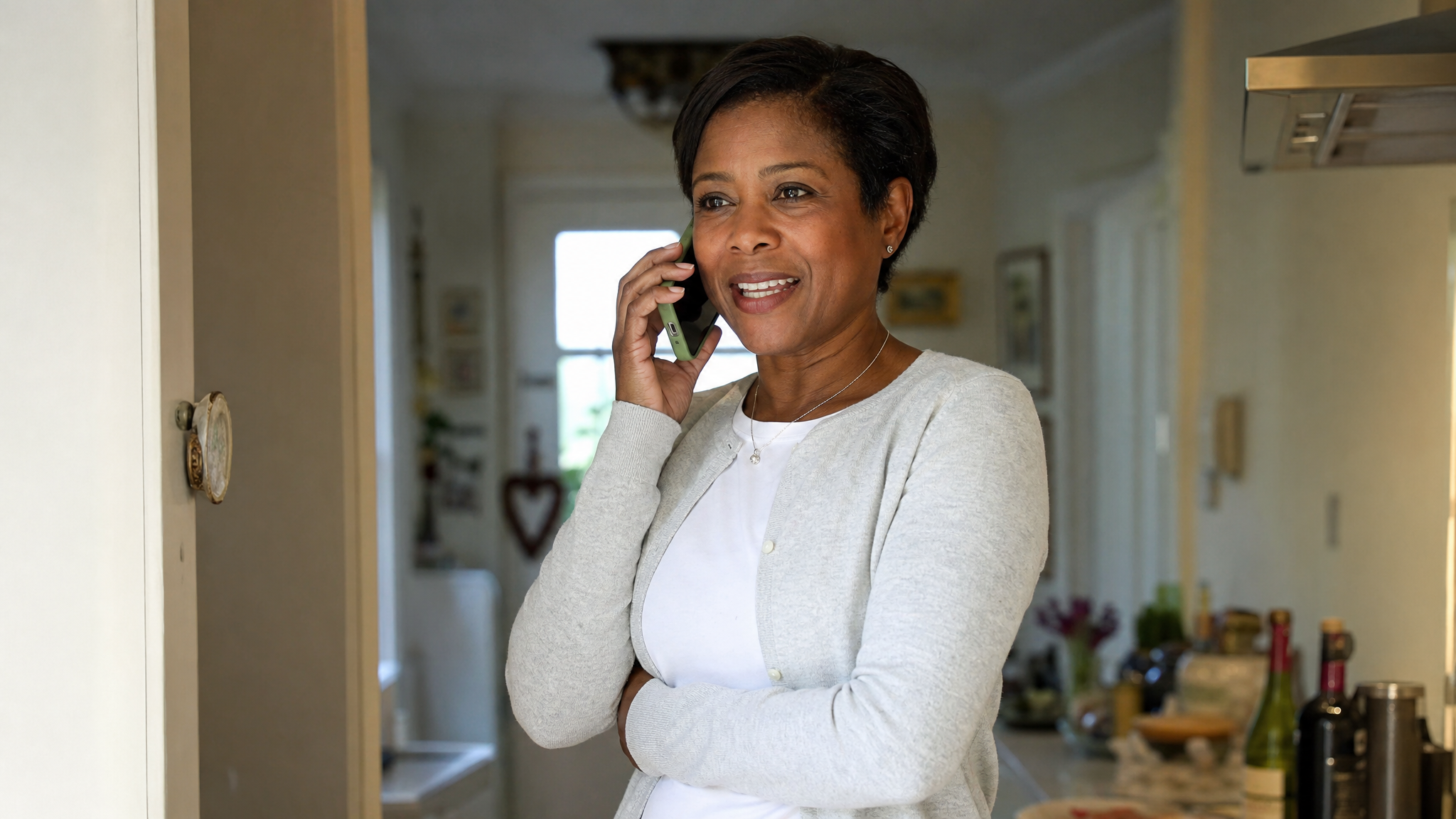
Several threads in the community come back to the same situation: a female operator calls a supplier, a property manager, or a potential client, and gets a version of “can I speak to the owner?” or “is there someone else I can talk to?” before they’ve said more than a few words.
It’s not universal. Plenty of female tradespeople report no issues. But it comes up often enough that it’s clearly not isolated.
One poster described it as “a tax you pay at the start of every call with a new person.” Another: “I’ve started introducing myself differently on the phone and it made a real difference - but I shouldn’t have to think about it.”
The interesting thing about this particular friction is that it’s invisible to everyone except the person experiencing it. The customer doesn’t know they’re doing it. The interaction moves on. But it’s a small drain - and when you’re running a business on your own, small drains add up.
When You Show Up
The recalibration that happens when a female tradesperson arrives on a job is something a lot of people in the community describe in similar ways. The customer looks past them for a second, expecting someone else. Or asks a question that makes clear they assumed the person coming would be male.
Most of the time it resolves in the first five minutes. You demonstrate competence, the dynamic shifts, and the rest of the job is fine. A lot of female tradespeople report that once they’re over that threshold, customers tend to be more loyal - more likely to refer, more likely to leave reviews, more likely to ask them back.
“Once someone’s worked with me,” one electrician wrote, “they never seem to go anywhere else. The initial hurdle is real, but what’s on the other side of it is actually pretty good.”
That pattern - harder to get in the door, but stronger loyalty once you’re through - is something that comes up enough to be worth noting. The referral networks that develop around female tradespeople can be particularly strong, especially in residential work where customers care about trust and comfort as much as technical skill.
What’s Actually Changed
The honest answer is: quite a lot, in some ways, and not much in others.
More women are entering trades than at any point in the last few decades. Trade apprenticeship numbers for women have been rising year on year across the UK and US. The visibility has shifted - there are female plumbers, electricians, and roofers with significant social followings, which a few years ago was almost unimaginable.
But the structural stuff - the gatekeeping over the phone, the initial-arrival recalibration, the suppliers who address everything to “the lads” - moves slowly. It doesn’t require anyone to be deliberately hostile. It’s just the accumulated weight of an industry that’s been shaped by one demographic for a very long time.
The Tools That Help
A few things come up consistently in the r/BlueCollarWomen community as practical responses to the phone friction specifically.
Having a professional call handling setup that takes inquiries in a consistent, clear way removes one particular vector of that friction. If the first interaction a potential customer has is a well-handled call that captures their details properly - regardless of who they were expecting on the other end - the job conversation starts on different ground.
Several posters mentioned that shifting the first contact away from a live phone call (where assumptions get made in the first second) and toward a structured inquiry process changed the texture of the customer relationship. By the time there was a live conversation, the customer had already formed a different impression.
That’s not a solution to the underlying thing. But it’s a practical adjustment that costs little and makes the working day a bit less draining.
Clara is used by a number of female sole operators in trades and service businesses for exactly this reason - not because it solves the structural problem, but because it handles the front-end of inquiries in a way that creates a more level starting point. Whether that matters to you depends on your experience and your market.
What Doesn’t Help
The advice that comes up a lot in mainstream business content - “project confidence”, “be assertive”, “don’t apologize” - tends to land badly in the r/BlueCollarWomen community, for obvious reasons. It puts the adjustment on the person experiencing the friction rather than acknowledging where the friction comes from.
The conversations in the community that seem most useful are the practical ones: how to handle a specific situation, what’s actually worked, what’s made things easier. That’s probably what this should have been more of.
If you’re running a trade business or service business as a woman and you’re figuring out what works - you’re probably already better at this than any article can be. The community is worth reading.